Gävle, Sweden: The Hidden Gem of the North You Need to Visit
By Sydul — VikingsDiary.com
If you have ever driven north from Stockholm, you may have passed through Gävle without a second thought. That would be a mistake. Just two hours from the capital, this coastal city in Gästrikland is one of Sweden’s most underrated destinations — full of history, nature, quirky traditions, and genuine Scandinavian charm. It is time to give Gävle the attention it deserves.
Where Is Gävle?
Gävle (pronounced YEV-leh) sits on the eastern coast of Sweden, roughly 170 kilometres north of Stockholm. It is the capital of Gävleborg County and the oldest city in Norrland, having received its town charter all the way back in 1446. With around 79,000 inhabitants, it is Sweden’s 13th largest city — big enough to have a full range of attractions, yet small enough to feel relaxed and personal.
Getting here is easy. Take the SJ high-speed train from Stockholm Central and you arrive in just over an hour. By car, it is a pleasant two-hour drive up the E4 motorway, and you can even stop at the historic university city of Uppsala on the way.
A City With a Colourful History
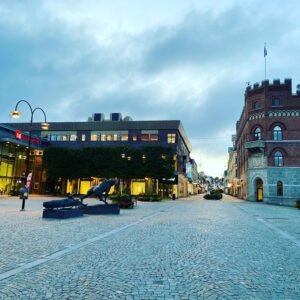
Gävle has lived through a lot. In 1569 a devastating fire wiped out much of the medieval city, destroying countless historical records. Then in 1869 an even larger fire tore through the city, leaving nearly 8,000 of its 10,000 residents homeless and destroying around 350 farms. The city was rebuilt with wide, straight streets and sturdy stone buildings — which is why the city centre has such an elegant, spacious feeling today.
Despite these setbacks, Gävle grew into one of Sweden’s most important port cities. In the early 1800s it was Sweden’s main trading harbour, exporting iron, copper, and timber to the rest of Europe. That maritime heritage still shapes the city’s identity today.
Gävle also played an unexpected role in history as a departure point for Swedish emigrants heading to America in the 19th century. Thousands of people from Gästrikland and neighbouring counties made their way to Gävle’s harbour and set sail for a new life across the Atlantic.
The Famous Gävle Goat — A Christmas Tradition Like No Other
If you know one thing about Gävle, it is probably the goat. Every December since 1966, a giant 13-metre-tall straw goat — a traditional Swedish Christmas symbol known as a julbock — is erected in the city’s Slottstorget square. It is an impressive sight, towering over the town centre and drawing visitors from all over Sweden and beyond.
But here is what makes it truly legendary: the goat almost never survives to Christmas. In all but 12 of the years it has been built, the goat has been burned down or destroyed by vandals. It has been set on fire, smashed by cars, and even attacked with arrows soaked in flammable liquid. Despite being guarded by cameras and security, arsonists keep finding ways. The ongoing battle between the builders and the destroyers has become an international news story every year — and checking whether the goat is still standing has become a beloved Swedish Christmas tradition of its own.
Visit in early December to see it in all its glory — and cross your fingers it survives.
Gamla Gefle — The Old Town
One of the most beautiful areas to explore in Gävle is Gamla Gefle, the old town quarter on the right bank of the Gavleån river. Here you will find winding cobblestone streets lined with colourful wooden houses from the 18th and 19th centuries — the ones that survived the great fires. The atmosphere is quiet, romantic, and utterly Swedish.
Wander through the narrow alleys, admire the painted timber facades in shades of red, yellow, and ochre, and you will feel transported back in time. It does not take long to explore, but it is absolutely worth it. It is one of the most charming old towns in the whole of Sweden.
While you are there, look out for the Joe Hill Museum. Joe Hill was born in Gävle in 1879 and went on to become one of America’s most famous labour movement activists and songwriters. He was controversially executed in the United States in 1915, and his story is told here in the house where he grew up.
Museums Worth Visiting
Gävle punches well above its weight when it comes to museums.
The Swedish Railway Museum (Järnvägsmuseet) is a must for anyone with even a passing interest in trains. As Sweden’s national railway hub, Gävle was a natural home for this museum, which relocated here from Stockholm in 1970. Six halls and an outdoor yard contain over 150 years of Swedish railway history, including dozens of steam locomotives — among them the magnificent Prins August from 1856. There are also 150 carriages, many of which you can step inside, plus tools, instruments, textiles, and archive photographs. It is one of Europe’s finest collections.
The County Museum of Gävleborg (Länsmuseet Gävleborg) sits in the heart of the old town and holds a rich collection spanning art from the 1600s to the present day, along with cultural history exhibits covering the region’s prehistoric past, its port traditions, textile trade, and impressive silver collection.
The Swedish Prison Museum (Sveriges Fängelsemuseum) offers something completely different. Located in the former Gävle County Prison — which operated until 1986 — this museum takes you through the history of crime and punishment in Sweden. It is a fascinating, sometimes sobering, place that will make you very glad you were not alive a few centuries ago.
Nature and the Great Outdoors
Gävle is surrounded by stunning natural landscapes, and getting out into them is easy.
The Gävle Archipelago stretches out along the Baltic coast to the east of the city. The jewel of the archipelago is Limön Island, home to a historic fishing hamlet that has been in use since the 18th century. Today it is a lively summer destination with swimming beaches, hiking trails through a nature conservation area, and excellent birdwatching. The island is easily reached by boat from the harbour.
Further along the coast, the Jungfrukusten (Maiden Coast) stretches 200 kilometres northward, offering wild coastal scenery, secluded bays, and the old fishing village of Bönan — a place where city dwellers have been coming to escape since the 19th century.
For cycling enthusiasts, the Jungfruleden trail runs 70 kilometres from Gävle to the historic ironworks of Axmar Bruk, passing through forests, meadows, and coastal landscapes along the way.
Inland, Färnebofjärden National Park offers pristine river delta scenery, ancient forests, and rich birdlife. It is one of Sweden’s lesser-visited national parks, which means you can often have the trails entirely to yourself.
Gävle’s Famous Brands
Sweden is known for producing global brands, and Gävle is no exception.
Gevalia — one of Sweden’s most beloved coffee brands — was founded right here in Gävle in 1853, making it the country’s first coffee roasting house. If you drink Swedish coffee, there is a good chance it has roots in this city.
And did you know that Ahlgrens Bilar — those iconic little car-shaped gummy sweets that every Swedish child grows up eating — also comes from Gästrikland? A small, chewy piece of national identity, right from this region.
A Day Out: Furuviksparken
If you are travelling with children (or simply young at heart), Furuviksparken is a wonderful half-day excursion just east of the city. This combined zoo and amusement park opened in 1900 and has been delighting visitors ever since. The zoo features orangutans, chimpanzees, lemurs, kangaroos, and much more. The amusement rides include three roller coasters, the newest of which — the Fireball — is a serious thrill.
On summer evenings, the park’s outdoor stage hosts live music. The tradition of big concerts here goes back decades — Sammy Davis Jr and Louis Armstrong both performed at Furuviksparken in its heyday.
Practical Tips for Visiting Gävle
Getting there: Stockholm to Gävle by SJ train takes just over 1 hour. By car, allow about 2 hours on the E4.
Getting around: The city centre is very walkable, and there is a good local bus network run by X-Trafik. Bikes are also a great way to explore — the city has well-developed cycling paths.
Best time to visit: Summer (June–August) for archipelago trips, outdoor activities, and Furuviksparken. December for the famous Gävle Goat and Christmas atmosphere.
Where to stay: The Elite Grand Hotel in the city centre is a popular choice and receives consistently excellent reviews. For something more unique, Högbo Brukshotell is a high-end hotel set on a historic ironworks estate just outside the city.
Gefle IF and Brynäs IF: If you enjoy Swedish sport, Gävle is home to ice hockey club Brynäs IF, one of Sweden’s most storied clubs competing in the top national league. Catching a game at the Monitor ERP Arena is a memorable experience.
Gävle is the kind of Swedish city that rewards the curious traveller. It does not shout for attention the way Stockholm does, but it has a depth and a warmth that is entirely its own. From a burning Christmas goat to steam locomotives, from cobblestone old town streets to island archipelagos, there is more here than you might expect.
Next time you are planning a Sweden trip, do not just pass through Gävle on the way north. Stop. Explore. You will be glad you did.
Have you visited Gävle? Share your experience in the comments below! And for more Swedish travel inspiration, explore the rest of VikingsDiary.com.
Tags: Gävle, Sweden travel, Visit Sweden, Gästrikland, Gävle Goat, Gamla Gefle, Swedish Railway Museum, Sweden tourism, VikingsDiary

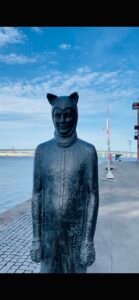
Sundsvall is a beautiful city in the northern part of Sweden, known for its rich history, stunning architecture, and friendly people. If you’re planning a trip to Sweden,
Getting to Sundsvall is easy. The city has good transportation links, including a regional airport and train services. It’s well-connected to major cities like Stockholm, four ours journy from stockholm city.
Sundsvall has an interesting history. In 1888, a massive fire destroyed most of the city. But the people of Sundsvall didn’t give up. They rebuilt the city with beautiful stone buildings, giving Sundsvall its nickname, “The Stone City.” Walking through the city, you can see these historic buildings and feel the resilience of its people.
Surrounded by lush forests and close to the sea, Sundsvall offers stunning natural scenery. There are many hiking trails where you can enjoy the fresh air and beautiful landscapes. In the winter, the area is perfect for skiing and snowboarding. No matter the season, Sundsvall’s nature is always inviting.
Located just a short drive from Sundsvall, Timrå may not be as well-known as Sweden’s larger cities, but it plays an important role in the region. It acts as a calm residential hub while staying closely connected to the opportunities of a bigger urban center
What immediately stands out about Timrå is its natural environment. Surrounded by forests, rivers, and the coastline of the Gulf of Bothnia, the town feels deeply connected to the outdoors. Nature is not something people travel to—it’s part of daily lifeOne of the defining features of Timrå is its strong sense of community. This is especially visible in its passion for sports. The local hockey team, Timrå IK, is a source of pride and unity for residents. Game days bring people together, creating a shared identity that goes beyond the size of the town.
Sundsvall is a charming city that offers a perfect blend of history, nature, culture, and modern living. Whether you’re an adventurer, a history buff, or someone looking to experience Swedish culture, Sundsvall has something for everyone.
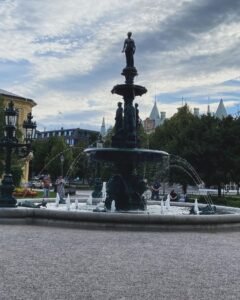
Åre is a popular ski resort located in the mountains of northern Sweden. Known for its excellent skiing and beautiful scenery, Åre attracts visitors from around the world.
The history of Åre as a ski resort dates back to the early 20th century. In 1909, the first railway station was built in the village, making it easier for people to visit. Since then, Åre has grown into one of Scandinavia’s top ski destinations.
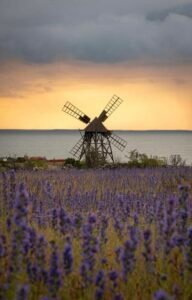
Åre offers many other winter activities. Visitors can try snowshoeing, dog sledding, ice climbing, and snowmobiling. For a more relaxed experience, you can take a scenic ride on a horse-drawn sleigh or enjoy a spa day at one of the local hotels.
Åre is not just a winter destination. During the summer, the area transforms into a paradise for outdoor enthusiasts. Hiking and mountain biking are popular activities, with numerous trails offering stunning views of the mountains and lakes. You can also go fishing, kayaking, and zip-lining.
Åre is easily accessible by train, bus, or car. The nearest airport is in Östersund, about 90 kilometers away, with regular transfers to Åre. From stockholm seven hours by car or buss.
Åre is a fantastic destination for anyone looking to enjoy outdoor activities in a stunning natural setting.Åre is truly a year-round destination for adventure and relaxation.
Örnsköldsvik
coming…