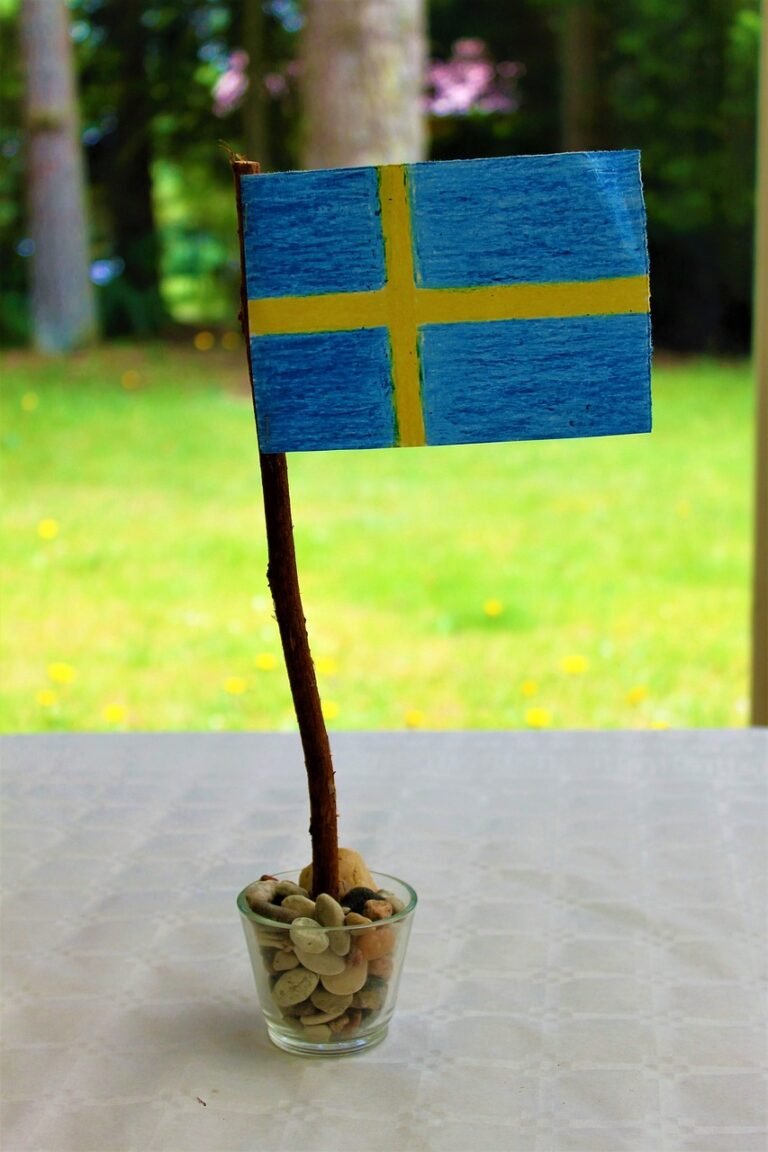
Introduction to Sweden
Capital: Stockholm (the country’s largest city and cultural center).
Population: Approximately 10.6 million inhabitants.
Language: Swedish (official language). English is spoken by about 90% of the population.
Currency: Swedish krona (SEK).
System of government: Constitutional monarchy with King Carl XVI Gustaf as head of state (ceremonial role) and Ulf Kristersson as prime minister.
Membership: Member of the EU since 1995 and NATO since March 2024.
Sweden, a Nordic country located on the eastern side of the Scandinavian Peninsula, is renowned for its stunning landscapes, rich history, and exceptional quality of life. It is bordered by Norway to the west and Finland to the northeast, with the Baltic Sea to the east and the Kattegat strait to the southwest. Covering an area of approximately 450,000 square kilometers, Sweden is the largest country in Northern Europe and the third largest in the European Union. This geographical expanse offers a diverse range of natural environments, from vast forests and serene lakes to picturesque coastal towns.
Sweden’s cultural heritage is a tapestry woven from various influences, reflecting centuries of history. The nation embraces a blend of traditional customs and modern dynamism, with a commitment to maintaining its natural landscapes. The capital city, Stockholm, situated on 14 islands, serves as a vibrant cultural hub that celebrates its architectural landmarks, museums, and culinary traditions.
Globally, Sweden is recognized for its innovative spirit, often ranking high in indexes measuring quality of life, sustainability, and social harmony. The Swedish education system, social welfare programs, and healthcare are often cited as exemplary models for other countries. Additionally, industries in Sweden are known for their commitment to innovation and sustainability, contributing to the country’s reputation as a leader in technology and environmental stewardship.
The rich blend of history, culture, and contemporary advancements makes Sweden a unique and captivating destination, inviting exploration and admiration for its essence and contributions to the global community.
Swedish History: A Brief Overview
Sweden’s history is rich and multifaceted, with roots tracing back to the Viking Age, which would span from around 800 AD to 1050 AD. During this time, Scandinavian seafarers expanded their horizons through trade, exploration, and settlement across Europe and beyond, establishing trade routes and cultural exchanges.
Following the Viking Era, Sweden experienced significant changes, particularly during the 12th century when it began to consolidate power. The establishment of the Kingdom of Sweden in the early 13th century marked a pivotal moment in its history, leading to conflicts that shaped its territorial bounds, especially against neighboring Norway and Denmark. The Kalmar Union in the late 14th century briefly united these kingdoms but ultimately led to ongoing rivalry and the struggle for dominance in the region.
The 17th century was a defining period for Sweden, positioning it as a great power in Europe, largely owing to military victories in the Thirty Years’ War and the subsequent territorial acquisitions. However, the Great Northern War in the early 18th century marked a significant decline in Swedish power, leading to the loss of many of its territories.
Throughout the 19th and early 20th centuries, Sweden underwent profound changes, transitioning from a war-centric to a more peaceful society. The shift towards neutrality in international conflicts defined its foreign policy, particularly during both the World Wars. By the mid-20th century, Sweden emerged as a beacon of social democracy, implementing progressive reforms that shaped modern welfare systems.
Today, Sweden’s historical developments have significantly influenced its societal structure, values, and politics. The legacy of its Viking heritage, coupled with a commitment to neutrality and social equity, illustrates how past events sculpted present-day Sweden, making it a unique nation within the European landscape.
Geographical Wonders of Sweden
Sweden is renowned for its diverse geographical landscapes, which range from majestic mountains and expansive forests to serene lakes and a multitude of islands. Covering approximately 450,000 square kilometers, the country is characterized by its ecological variety, making it a paradise for nature enthusiasts and outdoor adventurers.
One of the most stunning features of Sweden’s geography is its formidable mountain ranges, particularly in the northern region, where the Scandinavian Mountains rise dramatically. These mountains not only provide breathtaking views but also serve as a habitat for diverse wildlife. Furthermore, they are popular destinations for skiing and hiking, offering numerous trails that cater to various levels of experience.
Additionally, Sweden has a rich network of lakes, with Lake Vänern and Lake Vättern being the largest. These waters not only contribute to the country’s picturesque scenery but also play an essential role in the local ecosystem, supporting a wide array of fish and other aquatic life. Activities such as fishing, boating, and swimming are commonly enjoyed in these refreshing lakes during the warmer months.
Sweden’s geographical allure is further enhanced by its extensive archipelagos, with the Stockholm Archipelago being the most famous. This stunning arrangement includes thousands of islands, each boasting unique characteristics and scenic beauty. Visitors can explore picturesque fishing villages, enjoy swimming in the crystal-clear waters, or take part in sailing expeditions to appreciate the unspoiled nature.
Moreover, the northern regions of Sweden offer a breathtaking view of the Aurora Borealis, also known as the Northern Lights. This natural phenomenon occurs during the winter months and provides an extraordinary spectacle of vibrant colors illuminating the night sky, attracting travelers from around the globe.
The geographical wonders of Sweden are diverse and unique, showcasing the beauty and tranquility of nature while fostering a deep appreciation for the environment. Whether one is exploring the rugged mountains, tranquil lakes, or the stunning archipelago, Sweden’s landscapes promise a remarkable encounter with nature.
Swedish Culture and Traditions
Swedish culture is characterized by a unique blend of traditions, art, and social practices that exemplify the country’s historical development and contemporary values. One of the most prominent aspects of this culture is the celebration of various festivals, which often intertwine into the fabric of everyday life. Among these, Midsummer stands out as a significant annual event marked by joyous gatherings, dancing around maypoles, and the consumption of traditional dishes such as herring and new potatoes. This celebration embodies the arrival of summer and is deeply rooted in agricultural practices, reflecting Sweden’s connection to nature.
Another crucial event is Lucia, celebrated on December 13th, where young girls dress as ‘Lucia’ donning white gowns and red sashes, symbolizing light amidst the darkness of winter. This festival highlights the blend of Christian and pagan customs, showcasing the importance of light in Swedish culture. The celebration typically includes singing traditional songs and enjoying saffron buns, an expression of community spirit and harmony.
Art and music play a vital role in the manifestation of cultural identity in Sweden. Prominent figures such as composer Carl Michael Bellman and painter Anders Zorn have shaped the artistic landscape of the nation through their significant contributions. Additionally, the modern music scene, encompassing genres from classical to pop, reflects both Sweden’s rich folklore and contemporary influences, further enhancing its cultural representation.
Integral to everyday life in Sweden is the concept of fika, a cherished social interlude typically involving coffee and pastries. Fika transcends mere sustenance; it serves as a vital social ritual where individuals pause to connect with friends, family, or colleagues, promoting community and well-being. This tradition illustrates the Swedish value placed on balance between work and leisure, emphasizing a deep-seated appreciation for relationships and shared moments.
The Swedish Language: A Unique Tongue
The Swedish language, known as Svenska in its native form, is a North Germanic language that holds a significant place within the Nordic languages. It is primarily spoken in Sweden, where it serves as the official language, but is also recognized in parts of Finland, adding to the rich tapestry of linguistic diversity in the region. The origins of Swedish can be traced back to Old Norse, sharing linguistic roots with other Scandinavian languages such as Danish and Norwegian. This common ancestry contributes to mutual intelligibility, allowing speakers of these languages to communicate relatively easily.
Swedish is characterized by its melodic quality, often noted for its distinctive rhythm and intonation patterns. It employs a variety of vowels and consonant clusters, which can pose challenges for learners. The language has also undergone significant evolution over the centuries, influenced by historical events such as trade, cultural exchanges, and globalization. As a result, modern Swedish has absorbed numerous loanwords from other languages, including English and German, reflecting the country’s openness to international influences.
The importance of the Swedish language extends beyond mere communication; it is a crucial component of Swedish identity and cultural heritage. Language is intertwined with the nation’s history, literature, and societal values, playing a vital role in fostering a sense of belonging among its speakers. Moreover, many educational institutions in Sweden emphasize the significance of promoting and preserving the Swedish language, ensuring that new generations appreciate its unique qualities.
For non-Swedish speakers interested in learning the language, a wealth of resources is available. Online platforms, language exchange programs, and local courses provide diverse options for acquiring proficiency in Swedish. These resources not only facilitate the learning process but also enhance understanding of the Swedish culture, contributing to a deeper appreciation of this unique tongue.
The Economy of Sweden: A Model to Follow
Innovation: The country is often ranked as one of the world’s most innovative and has the most patents per capita in Europe.
The economy of Sweden is widely regarded as a successful model that balances robust welfare policies with a competitive market system. Central to this success is Sweden’s strong welfare state which provides extensive social security, healthcare, and education services to its citizens, fostering a well-educated and healthy workforce. This commitment to social welfare not only reduces poverty, but also encourages consumption and investment within the economy, contributing to overall economic stability.
Another crucial aspect of Sweden’s economic success is its emphasis on innovation. The country consistently invests in research and development, which helps sustain its position in key industries such as technology, pharmaceuticals, and renewable energy. Notably, Sweden is home to successful companies like Ericsson, Volvo, and IKEA, which have become global leaders in their respective fields. This focus on innovation allows Sweden to adapt to changing market demands while maintaining a competitive edge.
Technology also plays a pivotal role in the economic landscape of Sweden. The country boasts one of the highest internet penetration rates in the world, alongside an impressive digital infrastructure. This technological advancement has facilitated the growth of e-commerce and digital services, enhancing productivity across various sectors. Furthermore, Sweden actively promotes startups and entrepreneurship through favorable policies that encourage new business ventures, positioning itself as a hub for tech innovation.
When it comes to global competitiveness, Sweden ranks highly on indices that evaluate economic performance, sustainability, and innovation capabilities. The country’s focus on environmentally friendly practices and sustainable development strategies has also earned it recognition in the context of global sustainability efforts. Through these attributes, Sweden not only exemplifies economic resilience but also demonstrates how effective governance, a commitment to welfare, and a culture of innovation can drive economic success.
Swedish Society: A Look at Modern Life
- Fika: A deeply rooted social institution that involves a coffee break with something sweet, often a cinnamon bun.
- Gender equality: Sweden is a global leader in gender equality and progressive social rights.
- Music and film: Sweden is one of the world’s largest exporters of popular music (e.g. ABBA , Avicii) and known for filmmakers such as Ingmar Bergman .
Contemporary Swedish society is characterized by a strong emphasis on familial structures, gender equality, and comprehensive education systems that promote individual growth and collective well-being. The Swedish family structure has evolved, with a notable trend towards dual-earner households. About 80% of families consist of parents who both work, reflecting a shift towards shared responsibilities in child-rearing and household management.
Gender equality is deeply ingrained in Swedish culture and legislation. Sweden consistently ranks among the top countries for gender equality, with women occupying approximately 47% of seats in the Swedish parliament. Furthermore, the government has implemented extensive parental leave policies that encourage both parents to share responsibilities equally. This progressive approach not only aids in fostering gender equity but also nurtures healthy environments for children to grow and thrive.
Education in Sweden is another cornerstone of society, demonstrating a commitment to providing high-quality learning opportunities for all citizens. The education system is publicly funded and ensures access from an early age through higher education. The country boasts a literacy rate of nearly 100%, which contributes to a well-informed populace. The curriculum fosters critical thinking and creativity, allowing students to engage meaningfully with their educational journey.
Social values in Sweden greatly influence daily life, leading to a collective mindset that prioritizes egalitarianism, sustainability, and community welfare. The concept of ‘lagom,’ meaning just the right amount, reflects a cultural balance that permeates various aspects of Swedish living, from work-life balance to consumption patterns. These values not only enhance individual quality of life but also create a cohesive, supportive atmosphere that characterizes modern Sweden.
Tourism in Sweden: Must-Visit Destinations
Sweden, a country renowned for its stunning landscapes, rich culture, and innovative design, offers a myriad of attractions for tourists. From the bustling streets of its capital to the tranquil beauty of its countryside, Sweden is a destination that captivates visitors from around the globe. Among the most popular locations is Stockholm, where the beautiful archipelago, historic sites like the Royal Palace, and museums such as the Vasa Museum come together to create an unforgettable experience.
Visitors to Stockholm can enjoy a leisurely stroll along Gamla Stan, the city’s old town, where cobblestone streets and quaint shops surround the picturesque surroundings. For those interested in contemporary architecture and modern design, areas like Sodermalm offer a vibrant atmosphere filled with trendy boutiques and cafes.
Another notable city is Gothenburg, famous for its beautiful canals and green spaces. The Liseberg amusement park is a beloved attraction that provides fun for families and thrill-seekers alike. Additionally, the city’s cultural offerings include a wide array of music festivals and culinary experiences that showcase Sweden’s innovative gastronomy.
Malmö, located a short distance from Copenhagen via the Öresund Bridge, is known for its progressive urban spaces, including the Turning Torso, which is one of the tallest buildings in Scandinavia. The city’s parks and beaches, such as Ribersborg beach, allow visitors to relax while taking in the stunning coastal views.
For those looking to escape the urban hustle, Sweden’s scenic countryside is an absolute must-visit. The idyllic landscapes offer a range of outdoor activities, from hiking in the vast forests to kayaking on serene lakes. The natural beauty is unparalleled, making it the perfect backdrop for immersing oneself in the essence of Sweden.
Why Sweden Matters
Sweden stands out as a remarkable country characterized by its rich history, innovative spirit, and commitment to social equity. Its unique geographical landscape, which ranges from picturesque coastal areas to dense forests and serene lakes, captivates the attention of many. These natural elements not only enhance the quality of life for its inhabitants but also draw attention from tourists worldwide, showcasing the significance of Sweden as a premier travel destination.
Additionally, Sweden’s notable contributions to global culture, technology, and sustainability have solidified its position as an influential player on the international stage. The country is renowned for its advancements in environmental policies and its progressive approach to social welfare, serving as a model for other nations. Sweden’s economy, marked by innovation and sustainability, reflects a commitment to fostering an environment that encourages creativity and technological advancement, setting a benchmark for economic models across the globe.
Moreover, the Swedish educational system is highly regarded, emphasizing equal opportunities and a forward-thinking approach that cultivates future leaders. This dedication to education not only benefits Swedish citizens but also attracts international students eager to experience learning in a progressive and inclusive setting.
In essence, Sweden embodies a blend of tradition and modernity, offering both citizens and visitors an enriching experience. The country is esteemed for its cultural heritage, economic strength, and environmental consciousness, making it a unique and important player globally. Engaging with Sweden, whether through travel or research, opens up avenues for understanding its significant impact on various aspects of life, encouraging a deeper appreciation for what this Scandinavian nation has to offer.