
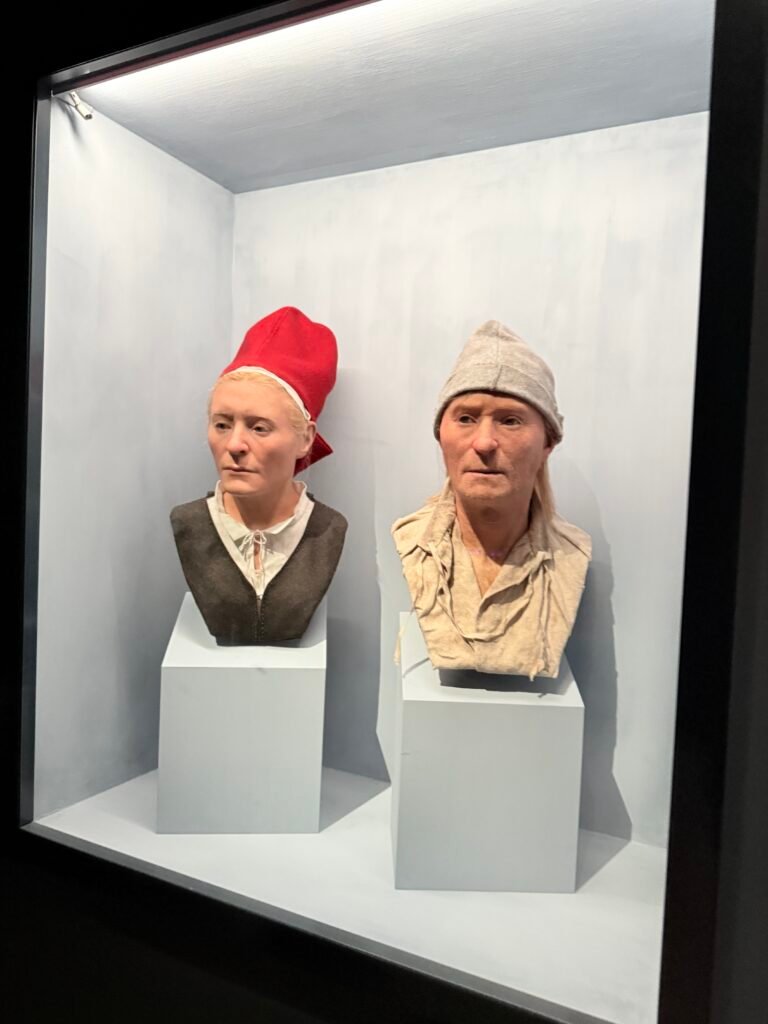
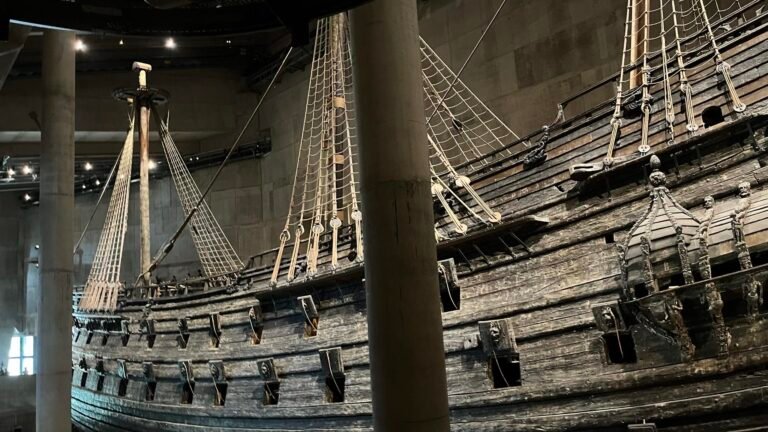
The Vasa Museum, Stockholm — The Ship That Sank and Stunned the World
By Sydul- VikingsDiary.com
There are museums you visit because they are on the list. And then there are museums that stop you in your tracks — where you walk through the doors and feel genuinely speechless. The Vasa Museum in Stockholm is the second kind.
I have visited many times, and every single time, the moment I step into the main hall and see the Vasa rising up before me, I feel the same thing: a mix of awe, disbelief, and something that is hard to name — the feeling of standing in front of something that should not exist, but does.
This is the full story of the Vasa ship, the museum built around it, and everything you need to know before you visit.
What Is the Vasa Museum?
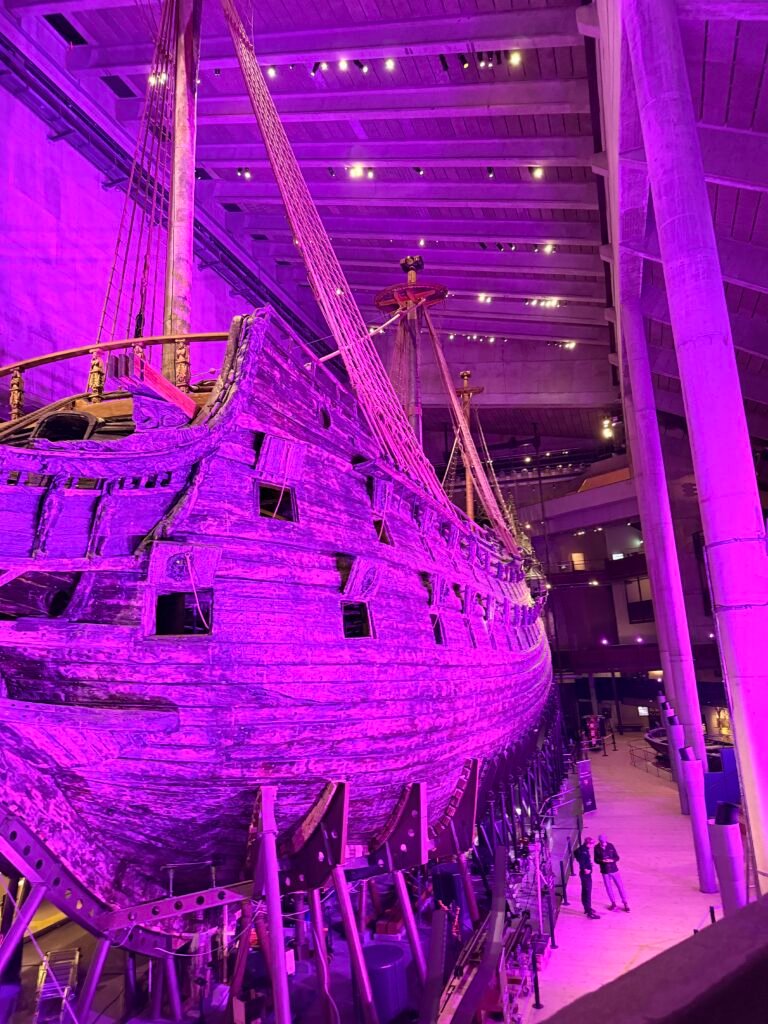
The Vasa Museum — known in Swedish as Vasamuseet — is a maritime museum located on the island of Djurgården in Stockholm. It houses the only almost fully intact 17th-century ship ever salvaged: the 64-gun warship Vasa, which sank on her maiden voyage in 1628.
Today, the Vasa Museum is Sweden’s most visited museum, attracting over one million visitors each year to see the remarkably preserved 69-metre-long warship. By the beginning of 2025, the Vasa had been seen by over 45 million people.
Put simply: it is one of the most extraordinary museums in the world, and no visit to Stockholm is complete without it.
The Story of the Vasa — From Glory to Disaster
A Ship Built to Impress
The Vasa was a warship built during the reign of King Gustavus Adolphus of Sweden. It was part of a fleet of warships commissioned by the king in 1625 when Sweden was at war with Poland, and was built by an experienced shipbuilder called Henrik Hybertsson.
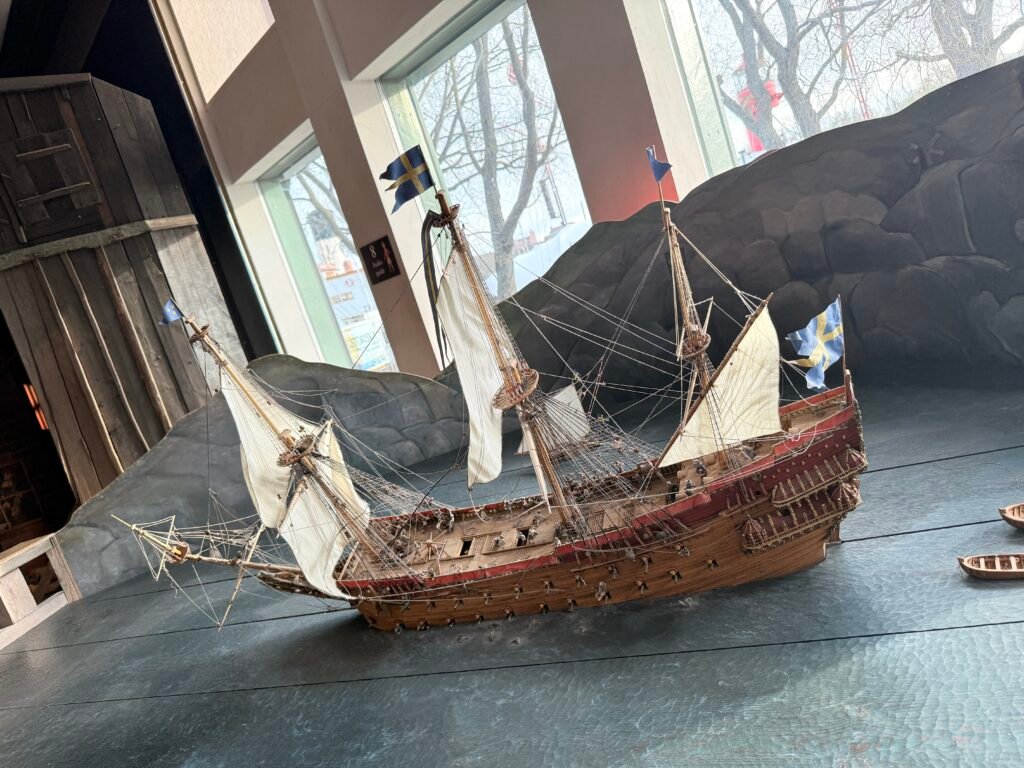
The ambition behind the Vasa was enormous. The wooden vessel stretched over 226 feet with an exterior covered in ornate carvings that portrayed stories of the royal family and the king himself. The Vasa was intended to be a masterpiece of naval engineering with 64 guns and capacity to fit 300 soldiers.
It was covered in wooden carvings that told stories about the Swedish royal family — and most importantly the king, Gustav II Adolf — who ordered the ship. It was meant to be the most powerful, most beautiful warship Sweden had ever built. A floating declaration of power to the rest of Europe.
The Fatal Flaws
But beneath all that grandeur, the Vasa had a deadly problem. The Vasa was dangerously unstable due to its top-heavy design. The ship carried 64 heavy bronze cannons, mostly on the upper gun deck. More critically, the ship’s ballast — 72 tonnes — was insufficient to counterbalance the weight of the upper structure, guns, and heavy decorative sculptures.
A stability trial of 30 men running back and forth across the deck had to be stopped because of fears the ship would sink. Everyone involved knew there was a serious problem. But the ship was the king’s most expensive and prized project, and no one dared tell him it was not safe to sail.
There is even a famous detail about the construction: carpenters from both Sweden and the Netherlands worked on the ship, and the Swedish and Dutch foot differed by 0.63 inches, leading to asymmetries in the ship. The Vasa was, quite literally, lopsided before it ever hit the water.
The Maiden Voyage — 20 Minutes to Disaster
On 10 August 1628, the Vasa took its maiden voyage before crowds of spectators and with over 150 passengers. The mood was celebratory. Cannons were fired in salute. The people of Stockholm lined the waterfront to watch their magnificent new warship begin its journey.
What happened next took less than twenty minutes.
A light gust of wind caused the ship to heel severely to port. Water rushed through the open gun ports, which were only 1.2 metres above the waterline, flooding the ship and causing it to sink within minutes. The ship recovered but was hit by another gust which tipped the vessel over onto its gun side. That was all it took for the ship to become flooded with water, sinking it less than a nautical mile from Stockholm harbour.
About 30 people died, including women and children who were onboard for the ceremonial voyage. The king — who had watched in horror from the shore — was furious. The ship’s captain, Söfring Hansson, was immediately arrested. An inquest followed, but in the end no one was officially found guilty. The disaster was too large, and too many people — including those very close to the king — had been involved in the decisions that led to it.
The management world today has a name for the human problems of communication and poor decision-making that cause great projects to fail: the Vasa syndrome. It is still used as a business and engineering case study around the world.
333 Years on the Seabed
The Vasa lay forgotten on the bottom of Stockholm harbour for over three centuries. Thanks to the brackish waters of the Baltic Sea, the ship was remarkably well-preserved — the low salt content of the water prevented the wood-boring organisms that destroy ships in saltier seas from taking hold.
The ship’s discovery and recovery were led by marine technician Anders Franzén, who used sonar and methodical dives to locate the wreck. He had spent years searching, driven by a conviction that the Baltic’s cold, brackish water would have kept the ship intact.
He was right.
From the beginning of 1961, the Vasa was housed in a temporary structure called Wasavarvet — the Vasa Shipyard — where she was treated with polyethylene glycol to stabilise the waterlogged wood. The preservation process was painstaking and took decades. Around 98% of the ship consists of original wood — an almost unbelievable fact for something that spent 333 years underwater.
Among the many items found onboard were clothing, weapons, cannons, tools, coins, cutlery, food, drink, and six of the ten sails. Over 40,000 objects were recovered in total — an extraordinary time capsule of life in 17th-century Sweden.
Inside the Vasa Museum
The Ship Itself
The museum was officially opened on 15 June 1990. The building was designed specifically around the ship — not the other way around. When you enter the main hall, the Vasa fills the entire space from floor to ceiling. You can walk around it on multiple levels, viewing the hull from every angle, getting up close to the intricate carvings, and peering up at the towering masts.
It is genuinely one of the most impressive things you will see anywhere in Europe.
The Exhibitions
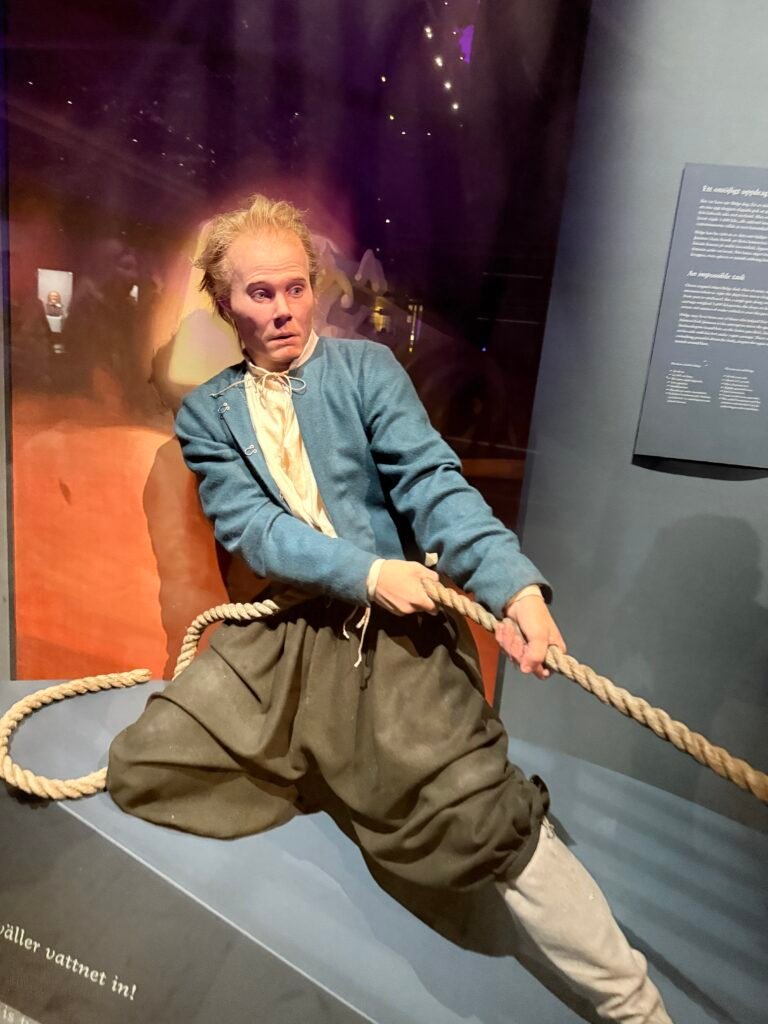
The museum is far more than just a ship on display. The museum also features exhibitions about life onboard in 1628, the ship’s construction, the dramatic sinking, and the complex salvage and preservation process.
There is a dedicated exhibition on the women of the Vasa — exploring the lives of the women who were onboard on that fateful day and the broader role of women in 17th-century Swedish society. It is one of the most moving parts of the museum.
The museum also features four other museum ships moored in the harbour outside: an icebreaker from 1915, a lightvessel from 1903, a torpedo boat from 1966, and a rescue boat from 1944 — giving visitors a broader sweep of Swedish maritime history across the centuries.
Audio Guides and Tours
Audio guides are available and can even be downloaded online, and guided tours also take place. If you want to truly understand the story of the Vasa, a guided tour is worth every krona. The guides bring the history to life in a way that even the excellent displays cannot quite match.
Fascinating Facts About the Vasa
Here are some numbers and facts that put the Vasa’s extraordinary story into perspective:
69 metres — the length of the ship from bow to stern.
333 years — how long the Vasa lay on the seabed before being raised.
64 — the number of bronze cannons on board.
98% — the proportion of the ship that is original 17th-century wood.
40,000+ — the number of objects recovered from the wreck.
30 — the number of people who lost their lives when the ship sank.
45 million — the number of people who have visited the museum since it opened.
1,300 metres — the distance the Vasa travelled on its maiden voyage before sinking.
5 minutes — how long it took to sink once water began flooding in.
Practical Information
Where: Galärvarvsvägen 14, Djurgården, Stockholm. The museum sits right on the waterfront on the island of Djurgården, surrounded by other great Stockholm attractions including Skansen and the Nordic Museum.
How to get there: Take tram 7 or bus 67 to the Vasamuseet stop, or take the Djurgården ferry from the city centre — a lovely way to arrive by water.
Opening hours: The museum is open daily. Hours vary by season, so check the official website before visiting.
How long to allow: Plan for at least 2 hours to do the museum justice. If you want to explore all the exhibitions and take a guided tour, allow 3 hours.
Tickets: Available online in advance — recommended in summer when queues can be long. The museum is included in the Stockholm Pass if you have one.
Best for: Everyone. Families, history lovers, architecture enthusiasts, and anyone who appreciates something genuinely extraordinary. Children are fascinated by the sheer size of the ship and the dramatic story of the sinking.
My Personal Tip
Go early in the morning, ideally when the doors first open. The main hall is quieter, the light is beautiful, and you can stand in front of the Vasa with space to breathe and take it all in. The crowds build quickly through the day — especially in summer — and the experience is very different when you are shoulder to shoulder with other visitors.
Also: look up. Most people focus on the hull at eye level, but the upper decks, the masts, and the ornate carvings near the prow are where some of the most extraordinary details live. Take your time, bring your camera, and do not rush.
Why the Vasa Matters
The Vasa is not just a ship. It is a window into a world that existed nearly 400 years ago — a world of ambition, power, craftsmanship, and human fallibility. The people who built it, sailed on it, and lost their lives on it were real. Their belongings are still inside.
When you stand next to the Vasa and look up at its towering hull, you are not just looking at a piece of Swedish history. You are looking at the fragility of human ambition — and the miracle of what can be preserved when the conditions are right.
Do not miss it.
Have you visited the Vasa Museum? Share your experience in the comments below! For more Stockholm travel guides, explore the rest of VikingsDiary.com.
Tags: Vasa Museum, Stockholm, Sweden travel, Vasamuseet, Djurgården, Swedish history, maritime museum, things to do in Stockholm, VikingsDiary
The Vasa Museum
Galarvarvsvagen 1411521
Stockholm ,Sweden
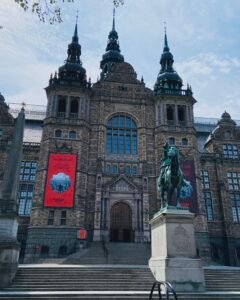
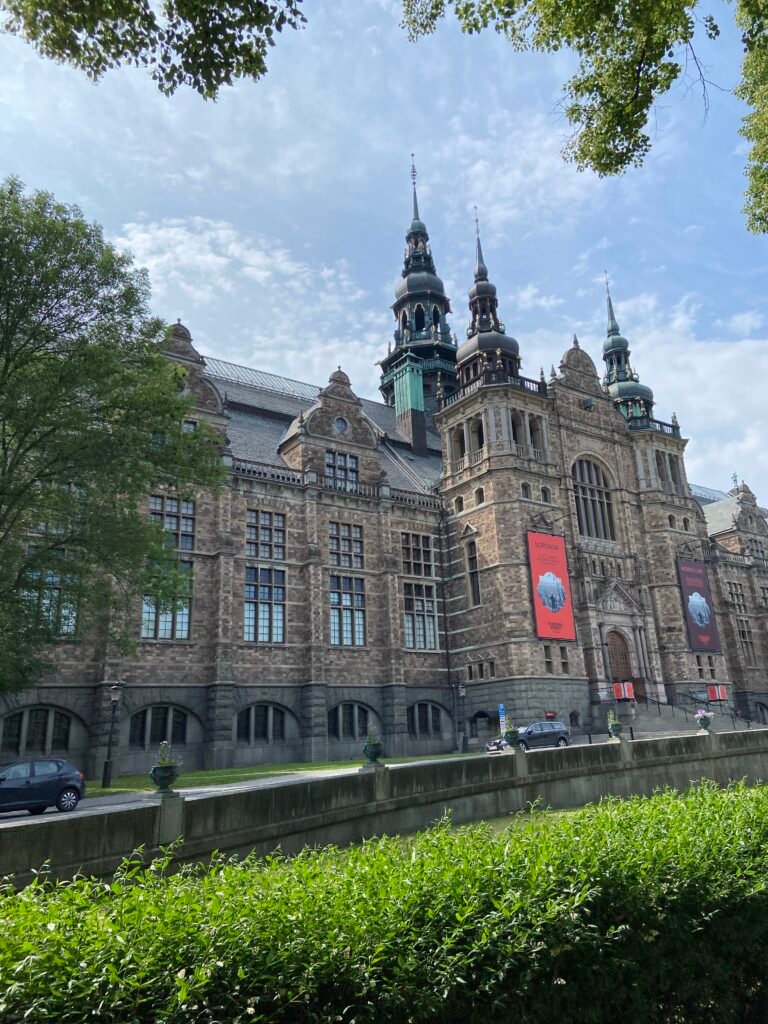
NORDIK MUSEUM
The Nordic Museum, located Djurgråden in Stockholm, Sweden. from stockholm center 10 min by bus.
The museum is open year-round, and there are guided tours available in several languages. There is also a lovely café where visitors can enjoy traditional Swedish pastries and a gift shop with unique souvenirs to remember their visit.
The Museum a treasure trove of Scandinavian history and culture. It offers visitors a fascinating journey through the rich heritage of the Nordic countries, including Sweden, Norway, Denmark, Finland, and Iceland.
The museum was founded in the late 19th century by artur Hazelius who also founded the skansen. It was, for a long time, part of the museum, until the institutions were made independent of each other in 1963.
Nordic museum was designed by the famous Swedish architect Isak Gustaf Clason and opened to the public in 1907. The building looks like a grand castle, with tall towers and intricate details that make it one of Stockholm’s most iconic landmarks.This exhibit displays traditional clothing, jewelry, and household items. Visitors can see how people in the past made beautiful objects by hand, using materials like wood, metal, and textilesThis section shows how homes have changed over the centuries. You can walk through rooms that look just like they did in the 18th, 19th, and 20th centuries, giving you a glimpse into the daily lives of Nordic families.The museum has a special exhibit dedicated to their unique culture, showcasing traditional Sami clothing, tools, and reindeer herding practices.
The Nordic Museum is a great place for families to visit. There are interactive exhibits and activities designed especially for children. Kids can dress up in traditional costumes, play with historical toys, and participate in workshops that teach them about Nordic history in a fun and engaging way.
The Nordic Museum is a must-visit destination for anyone interested in learning about the history and culture of the Nordic countries. Its beautiful architecture, fascinating exhibits, and family-friendly activities make it a wonderful place to explore and enjoy.
Address
Djurgårdsvägen 6–16
DJURGÅRD.STOCKHOLM.
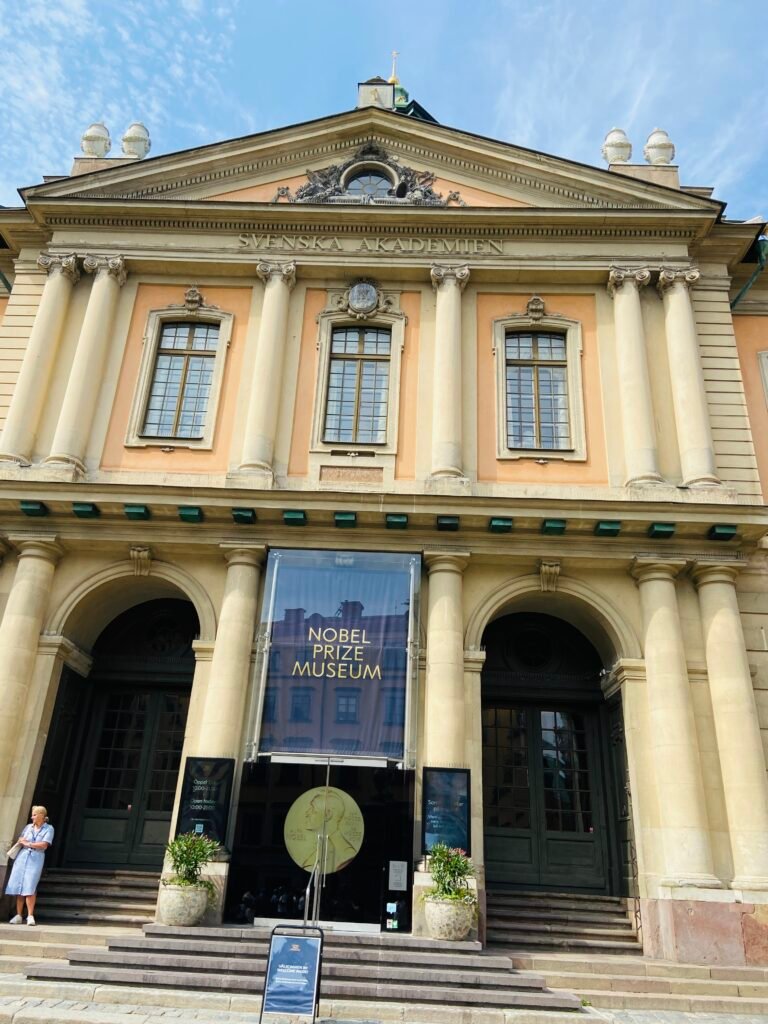
NOBEL PRIZE MUSEUM
The Nobel Prize Museum, located Gamla stan in the heart of Stockholm, Sweden.Its ten minutes walk from stockholm center.It is open year-round, with extended hours during the summer tourist season. There is a gift shop where you can purchase books, souvenirs, and unique items related to the Nobel Prize.
Nobel Museum fascinating place that celebrates the legacy of Alfred Nobel and the achievements of Nobel Prize laureates. Opened in 2001.
Alfred Nobel was a Swedish inventor, engineer, and industrialist who is best known for inventing dynamite. However, he was also deeply committed to science, literature, and peace. When he passed away in 1896, his will stated that his fortune should be used to create the Nobel Prizes, awarded annually for outstanding contributions in six categories: Peace, Literature, Chemistry, Physics, Medicine, and Economic Sciences.
The Nobel Prize Museum showcases a variety of exhibits related to the Nobel Prizes and their winners. Some key features include:
Historical Exhibits: Learn about the life of Alfred Nobel, his inventions, and the history of the Nobel Prizes.
Laureate Stories: Discover the inspiring stories of Nobel Prize winners and their groundbreaking work. You can see personal items, interviews, and multimedia displays.
Interactive Displays: Engage with interactive exhibits that explain complex scientific concepts and the impact of laureates’ work in a fun and easy-to-understand way.
Temporary Exhibitions: The museum often hosts temporary exhibitions that focus on specific themes or recent laureates, offering fresh and up-to-date content for repeat visitors.
The Nobel Prize Museum in Stockholm is not just a museum; it is a place of inspiration and learning. By celebrating the achievements of Nobel Prize laureates, it encourages visitors to think about how they can contribute to making the world a better place.
Address
Stortorget 2, 103 16 Stockholm
The Viking Museum
The Viking Museum is a fascinating window into a world of myth, adventure, and cultural achievements that shaped much of Northern Europe. It goes beyond the stereotypes of Viking warriors, revealing the intricacies of Viking society, religion, and innovation. For anyone interested in history, mythology, or simply a great story, The Viking Museum offers an unforgettable experience that brings the legendary past of the Vikings vividly to life.
Located on Djurgården Island, The Viking Museum is part of Stockholm’s “Museum Mile,” alongside popular attractions like the Vasa Museum, Skansen open-air museum, and the ABBA Museum. This makes it easy to explore multiple cultural sites in one day.
Tickets are reasonably priced, with discounts for children, students, and families, and can be purchased online or at the museum entrance. The museum also features a gift shop where visitors can buy Viking-inspired souvenirs, and a café serving Nordic-style dishes, allowing guests to enjoy a full cultural experience.
The Viking Museum is designed to provide an immersive experience for visitors of all ages. The exhibits are both visually impressive and informative, with interactive touchpoints, animations, and audio features that captivate young audiences. Guided tours are available in multiple languages, making it accessible for international visitors. The museum’s approach balances historical accuracy with creative presentation, making it an exciting yet informative experience.
Families will especially appreciate the museum’s kid-friendly elements, which include interactive learning stations and hands-on activities. For younger children, the museum offers a scavenger hunt that encourages them to find Viking artifacts hidden throughout the exhibits.
Highlights .
Ragnfrid’s Saga – A Thrilling Immersive Ride
One of the most unique attractions within the museum is the Ragnfrid’s Saga ride, a storytelling experience that takes visitors on an epic journey through the Viking world. In this dark-ride experience, visitors follow a fictional Viking family on their travels across the lands. The ride combines audio narration, visuals, and lifelike models, immersing visitors in the sights and sounds of the Viking world. From the bustling marketplaces of Birka to the exotic shores of Byzantium, Ragnfrid’s Saga offers an educational adventure with a cinematic feel.
Artifacts and Reconstructions
The museum’s main exhibits include a remarkable collection of artifacts from the Viking era, such as weapons, tools, jewelry, and even reconstructed Viking ships. These items reveal the sophistication of Viking craftsmanship and their expertise in metalwork, woodwork, and textiles. Full-scale reconstructions of Viking huts and ships bring to life the daily routines and skills of Viking society. The carefully preserved artifacts serve as a bridge to the past, allowing visitors to appreciate the Vikings’ skills and ingenuity.
Educational Programs and Guided Tours
The Viking Museum is deeply committed to education. Guided tours, led by knowledgeable guides, provide a more in-depth understanding of Viking culture, mythology, and history. These tours cover topics such as Viking spirituality, warfare, social structures, and trade networks. Additionally, the museum offers workshops and interactive sessions where visitors can learn about traditional Viking crafts like weaving, cooking techniques, and even the basics of Viking combat. School groups and families will find the museum’s programs to be accessible and engaging for all ages.
Beyond their historical accomplishments, the Vikings left a rich legacy of mythology and spiritual beliefs. The museum delves into the fascinating world of Norse mythology, covering gods like Odin, Thor, and Freya, along with creatures like the mighty dragon and the mischievous Loki. Interactive displays help visitors understand the religious beliefs, rituals, and the deep connection Vikings had with nature and the afterlife. This part of the museum highlights the Vikings’ view of the world, one where life, death, and the supernatural were deeply intertwined.The museum focuses on bringing the Viking Age (circa 793–1066 AD) to life, capturing a period of Scandinavian history often characterized by adventure, exploration, and fierce battles. This era saw Vikings as traders, explorers, and settlers, who journeyed far beyond Scandinavia, establishing trade routes and settlements across Europe, Russia, and even parts of North America. The Viking Museum presents a balanced view of their lives, highlighting their role as both warriors and skilled craftsmen, family members, and believers in a complex pantheon of gods and mythology.
The Viking Museum, also known as Vikingaliv, is a remarkable destination in Stockholm that transports visitors back to the age of the Vikings, offering a comprehensive and immersive exploration of Viking history and culture. Located on the scenic island of Djurgården, The Viking Museum combines traditional exhibits with high-tech, interactive experiences, making it one of Stockholm’s most engaging and educational attractions.